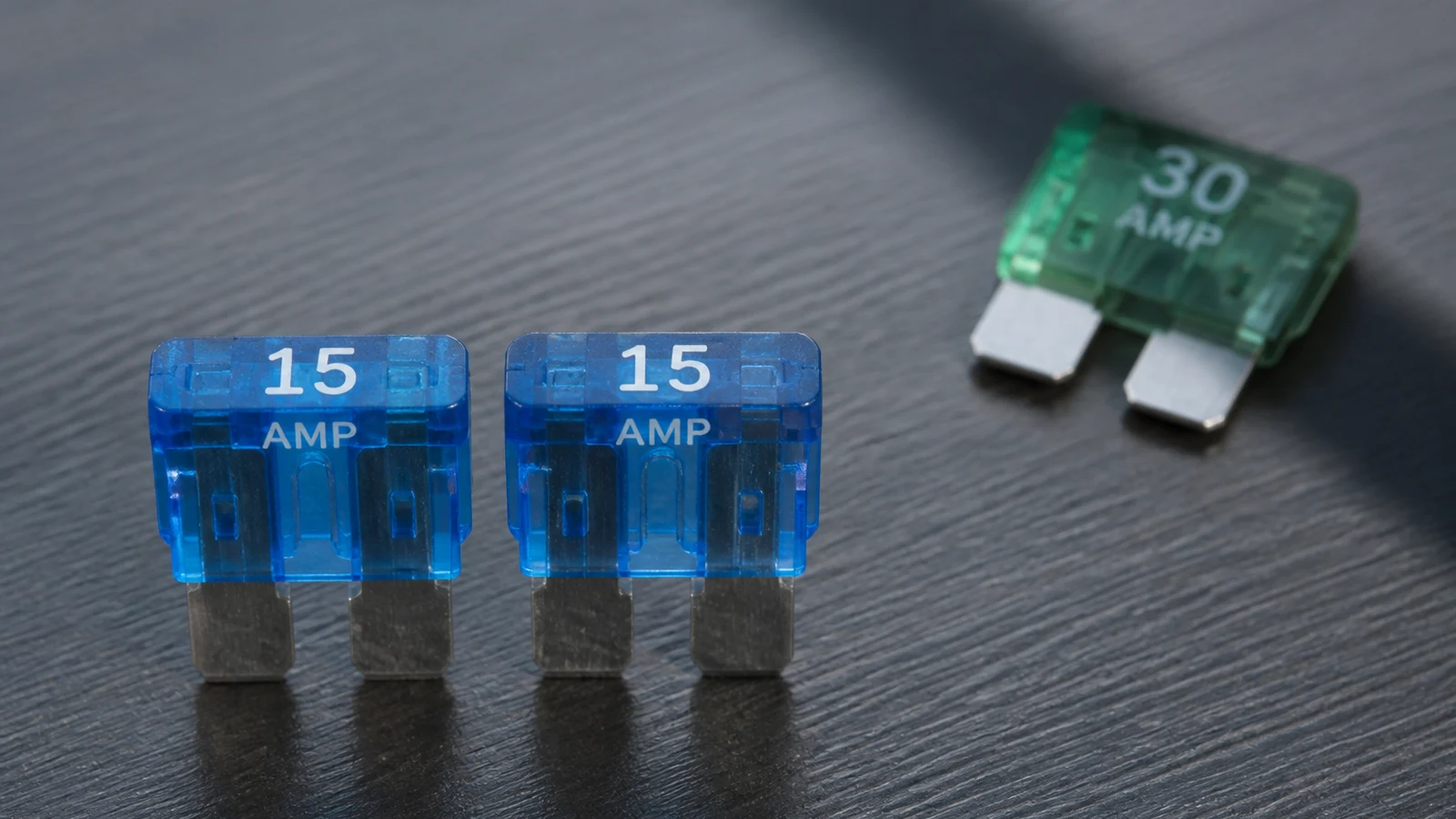
Never Fit A Higher Amp Fuse After A Blown Car Fuse
Short answer: never replace a blown car fuse with a higher amp rating. The fuse is there to protect the circuit, and increasing the rating can allow wiring or components to be overloaded before the fuse opens.
For UK drivers, the useful question is not whether a tester says blade fuse on the packaging, but whether it fits the fuse style in the vehicle. Use the handbook, fuse-box cover and a visual size check before touching the circuit.
What the fuse rating is protecting
Cars can use standard blade, mini, low-profile mini and smaller formats in different fuse boxes. A tester-puller made for standard ATO/ATC blades may be useful in one location and useless in another, so compare the fuse body and exposed test points before buying.
Why a higher amp fuse is not a repair
The fuse-box legend and handbook should tell you which circuit and amp rating you are looking at. If the label is missing or unclear, take a photo and identify the circuit before removing fuses at random.
Replace like for like only
A puller helps remove a known blade fuse without chewing the plastic body. A tester helps check whether both test points have feed, but the ignition position and circuit state can affect what you see.
What to do if the same fuse blows again
A blown fuse should be replaced like for like. A higher amp fuse can let wiring overheat before the fuse opens, so repeated blowing is a fault to diagnose rather than a reason to up-rate.
When not to keep driving the fault
Stop when the fuse box is wet, melted, modified, hard to access or repeatedly blowing the same circuit. Those are diagnosis jobs, not routine accessory checks.
Quick buying checklist
- Identify the exact fuse style in the vehicle.
- Confirm the circuit and amp rating from the handbook or fuse-box cover.
- Check that the tester jaws and probe points match the fuse body.
- Replace only with the same amp rating.
- Ask an auto electrician if the fault returns.
FAQ
Is this a job for a beginner?
Basic reading and inspection can be suitable for careful owners, but repeated faults, high-current wiring, warning lights or unfamiliar systems need professional diagnosis.
What should I check before buying a tool or accessory?
Check the product instructions, the job you actually need to do, and whether the item matches your vehicle, appliance, clothing use, garden system, brew-day setup or burner arrangement. If the fit or rating is unclear, pause rather than guessing.
Final buying advice
Choose the tester that matches the fuse format you actually have. If the car mixes formats, a standard ATO/ATC tool may still be useful, but it is not a universal answer.